
3rd International Workshop on Ankylosing Spondylitis Brings Experts to Bellinzona
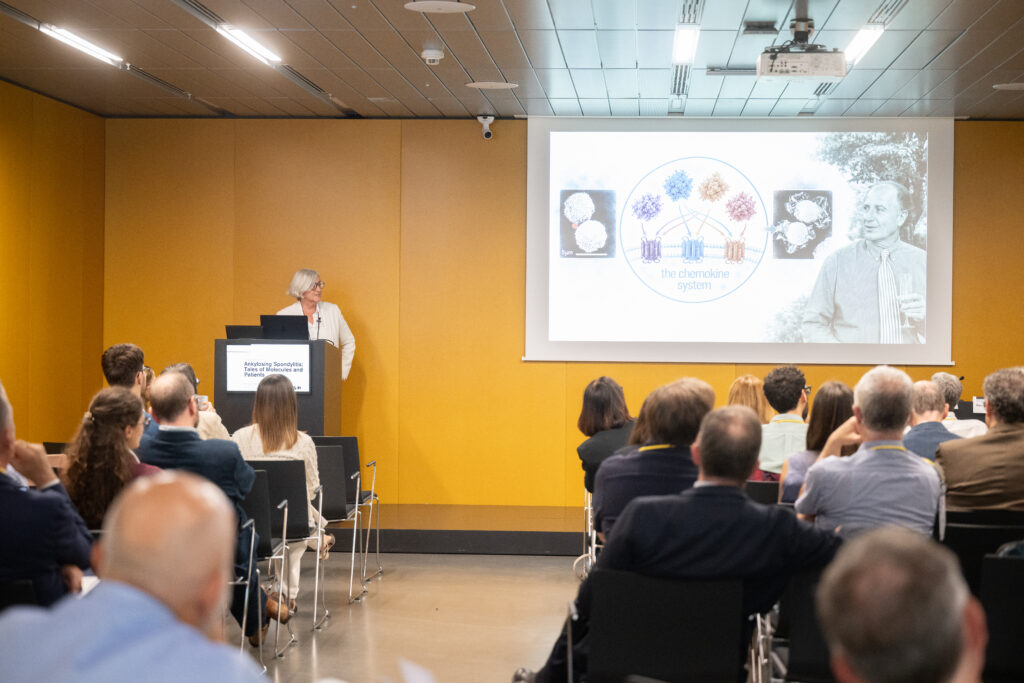
On September 28-29, IRB hosted the 3rd International Workshop on Ankylosing Spondylitis, bringing together leading scientists and clinicians in Bellinzona to discuss recent advances in the understanding and treatment of spondyloarthritis. On September 28-29, 2026, the Institute for Research in Biomedicine (IRB), affiliated to Università della Svizzera italiana (USI), hosted the 3rd International Workshop on […]
Petr Cejka receives the 2026 Dick Marty Award
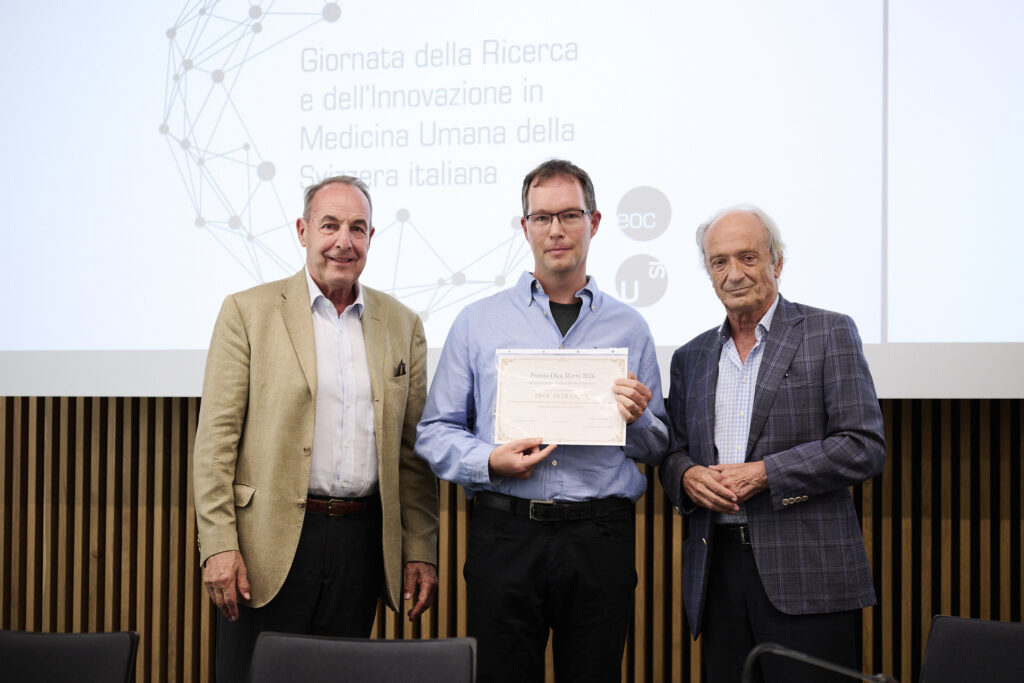
Prof. Petr Cejka, Group Leader at the Institute for Research in Biomedicine (IRB), affiliated with USI, has received the 2026 Dick Marty Award in recognition of his contribution to cancer research. Prof. Petr Cejka, head of the Recombination Mechanisms research group at the Institute for Research in Biomedicine (IRB), has been awarded the 2026 Dick […]
Bios⁺ Open Day: La Ricerca più vicina di quanto immagini
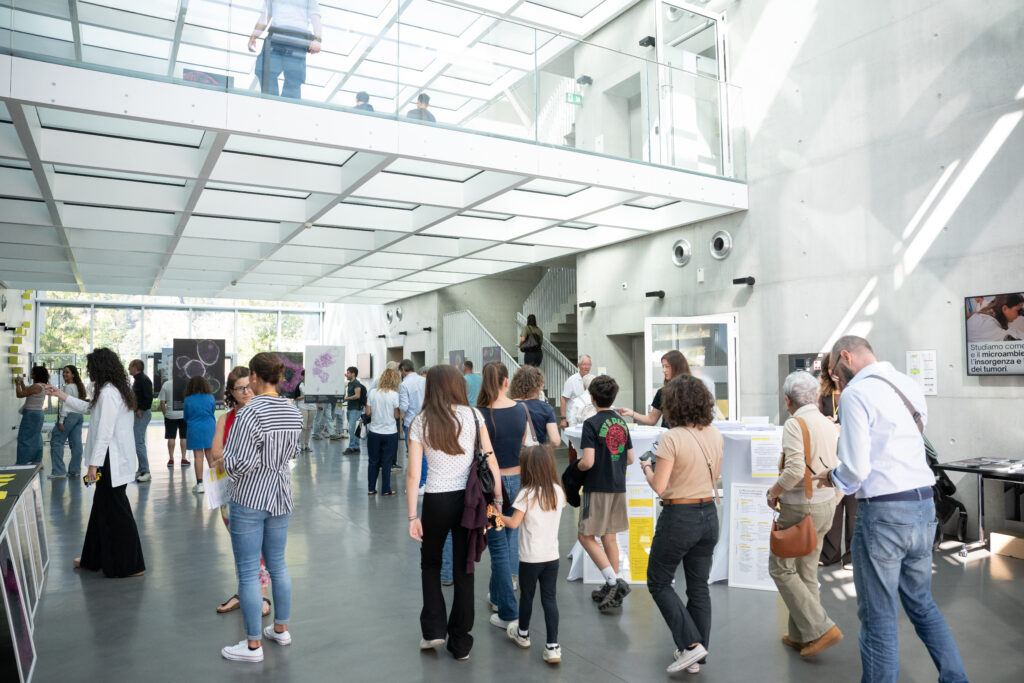
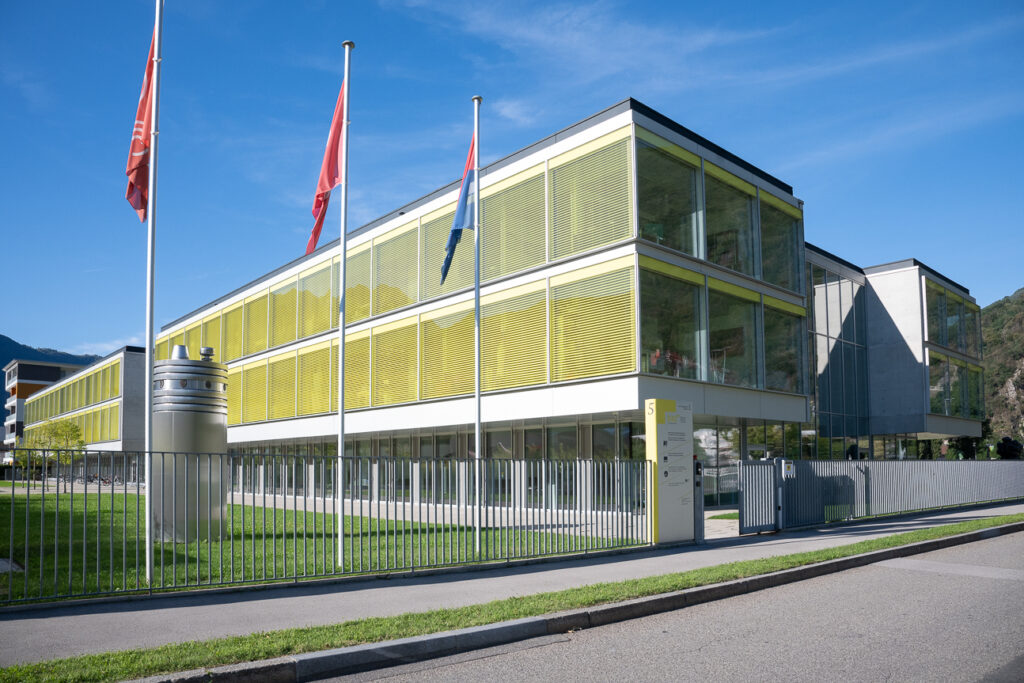
On Saturday, September 12, the Bellinzona Institutes of Science (Bios⁺) opened the doors to the public, offering visitors the opportunity to step inside the spaces where biomedical, cancer and translational research takes shape every day. For one day, laboratories, technology platforms and research spaces became places for exchange and dialogue between the scientific community and […]
Human PIF1 clears secondary DNA structures by coupled DNA unwinding and rewinding activities
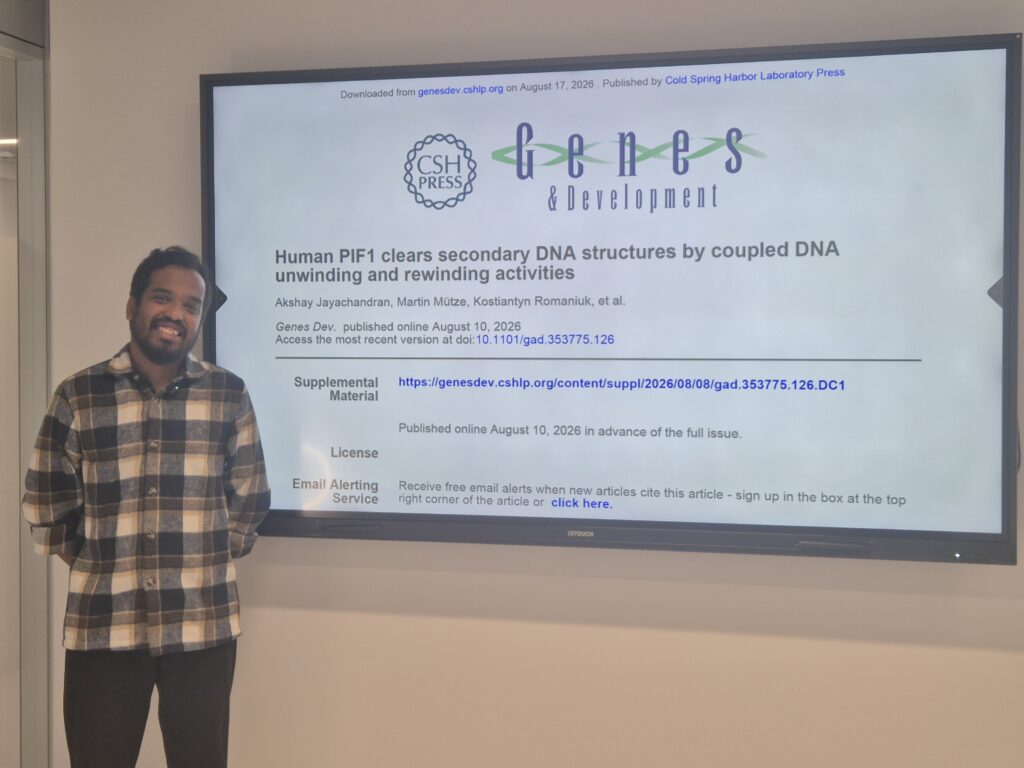
A study published in the journal “Genes and Development” by Petr Cejka group demonstrates a novel functional mechanism of human PIF1, a multifunctional DNA helicase involved in replication and repair. Unlike classical DNA unzipping helicase’s role, hPIF1 acts as a DNA translocase coupling local unwinding with rapid rewinding to resolve complex DNA secondary structures. Human PIF1 has been assumed for a long […]
Role of Plasmacytoid Dendritic Cells in Immune Responses Following coronavirus mRNA Vaccination: a Preclinical Mouse Study
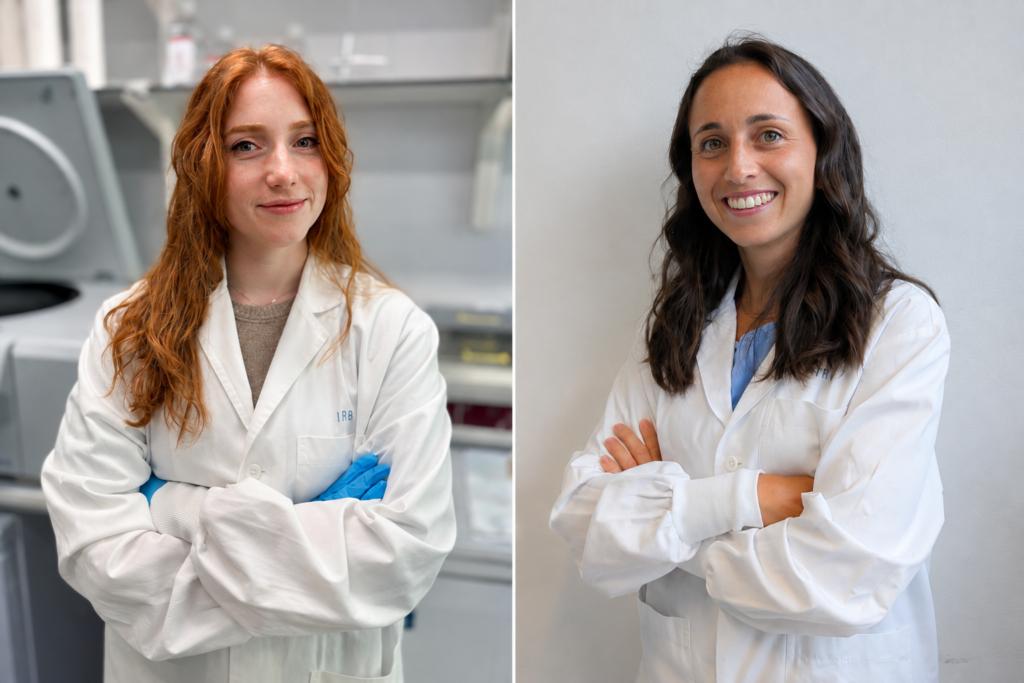
What happens in the lymph node after mRNA vaccination? In eBioMedicine, the Infection and Immunity group at IRB, led by Prof. Santiago F. González, identifies plasmacytoid dendritic cells as contributors both to the humoral and cell mediated (CD8⁺ T-cell) responses induced by the Pfizer-BioNTech BNT162b2 vaccine. The Pfizer-BioNTech coronavirus vaccine (BNT162b2) was among the first […]
Porte Aperte Bios+: la Ricerca più vicina di quanto immagini
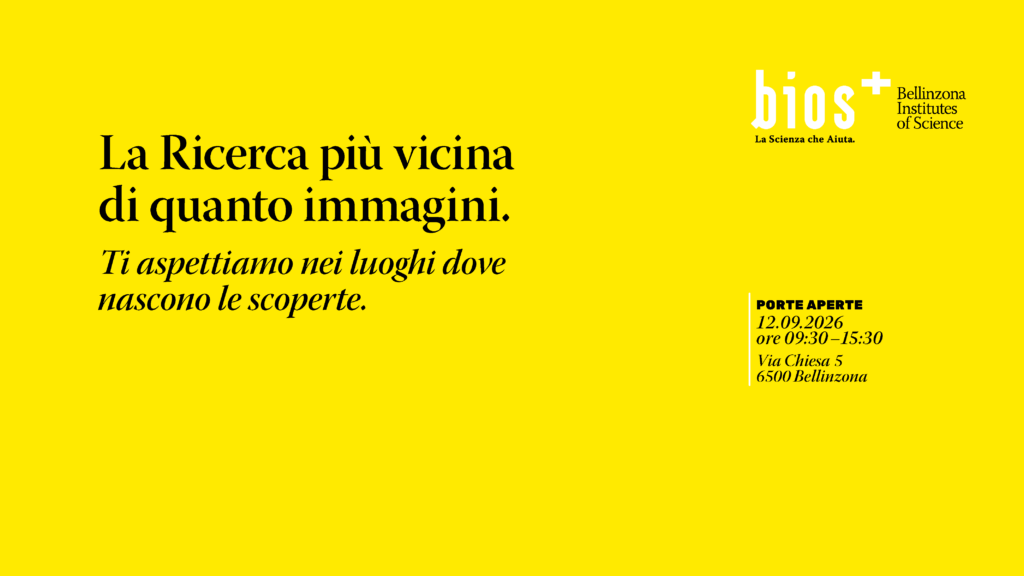
Dear Sir or Madam, The Institute for Research in Biomedicine (IRB), the Institute of Oncology Research (IOR), and the Institute for Translational Research (IRT) are pleased to invite you to their Open Day, which will take place on Saturday, September 12, 2026, at the Bios⁺ building in Bellinzona (Via F. Chiesa 5). The event will […]
3rd International Workshop on Ankylosing Spondylitis
The 3rd International Workshop on Ankylosing Spondylitis: Tales of Molecules and Patients, will take place on September 28-29, 2026. Over the course of this one-and-a-half-day meeting, participants will learn about the latest advances in ankylosing spondylitis research and immunology. Alongside distinguished rheumatologists, the workshop will feature presentations by leading experts in immunology, providing a unique […]
New immune targets pave the way for more effective malaria vaccines
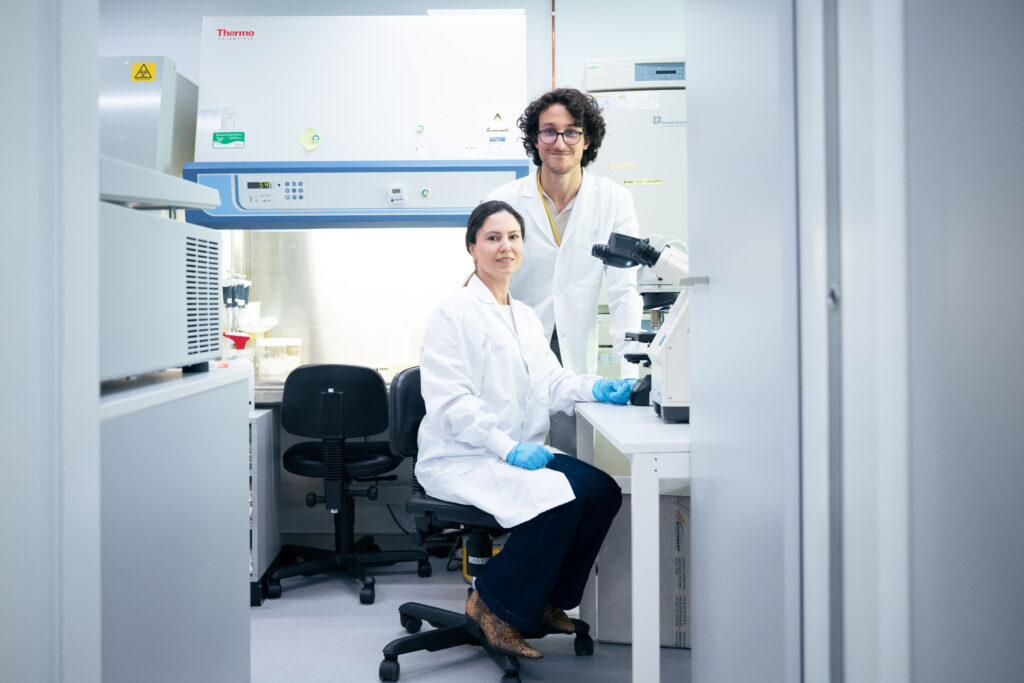
A Nature study led by Caroline Junqueira’s Immunobiology Lab identifies Plasmodium antigens that activate CD8+ T cells across parasite stages and species, opening new avenues toward broader malaria vaccine strategies. Researchers led by Dr. Caroline Junqueira at the Institute for Research in Biomedicine (IRB), Bellinzona affiliated with Università della Svizzera italiana (Usi), have identified a […]
Petr Cejka awarded ERC Advanced Grant

The Institute for Research in Biomedicine (IRB), warmly congratulates Prof. Petr Cejka on being awarded a prestigious European Research Council (ERC) Advanced Grant. The grant will be hosted by IRB in Bellinzona, affiliated with the Università della Svizzera italiana (USI). ERC Advanced Grants are among the most competitive funding schemes in Europe and support outstanding […]
Protective human antibodies target West Nile and related viruses
Scientists at the Institute for Research in Biomedicine, partners at Stanford, Masaryk and Zurich University, Pasteur Institute in Novi Sad and physicians in Serbia, report in Immunity that monoclonal antibodies from convalescents protect against West Nile and related orthoflaviviruses, supporting future prophylactic and therapeutic strategies. West Nile virus (WNV) is transmitted by mosquitoes and […]