
Bellinzona, 17 April 2026
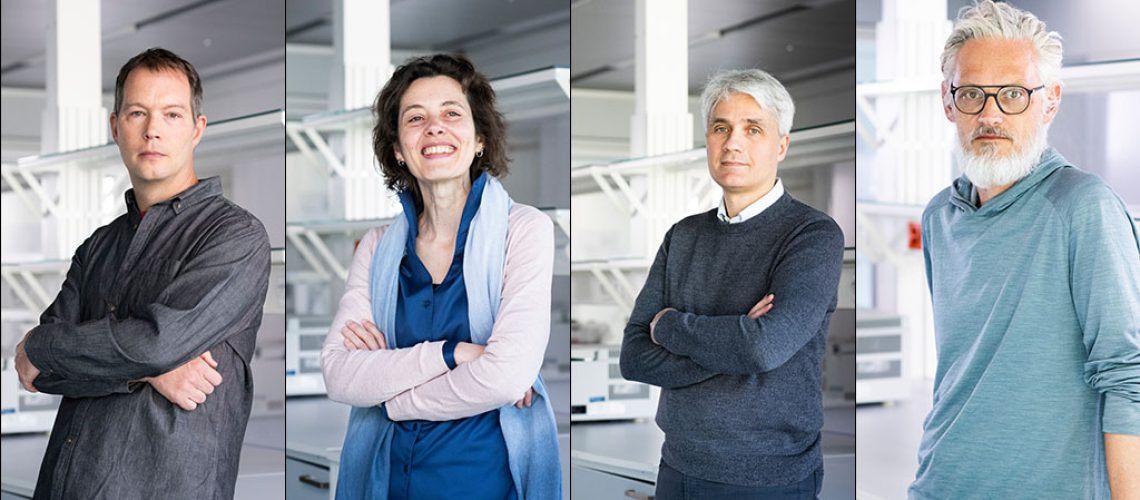
Several research groups at the Institute for Research in Biomedicine (IRB) in Bellinzona, Switzerland (affiliated to Università della Svizzera italiana), have been awarded prestigious grants from the Swiss National Science Foundation (SNSF), supporting innovative projects across immunology, cancer biology and therapeutic development.
Below is a brief overview of the four awarded projects.
BRCA proteins and genome stability in cancer
The research led by Petr Cejka builds on previous ERC-funded work to investigate how BRCA1 and BRCA2 protein complexes contribute to DNA repair. Since mutations in these proteins are common in breast and ovarian cancers, understanding their molecular function may provide new insights into therapy resistance and inform future treatment strategies for BRCA-deficient tumors.
Understanding immune regulation through RNA-binding proteins
The project led by Silvia Monticelli investigates how RNA-binding proteins regulate T cell function in the immune system. By exploring these largely uncharacterized regulatory molecules, the study aims to uncover fundamental mechanisms controlling immune responses, potentially opening new avenues for therapeutic intervention.
Autoantibodies and immune responses to viral infections
Davide Robbiani’s project explores why individuals respond differently to viral infections, focusing on the role of autoantibodies-antibodies that can target components of the immune system itself. While often considered harmful, some autoantibodies may instead protect against severe disease, suggesting new strategies to harness natural immune mechanisms for therapeutic benefit. The project is carried out in collaboration with Clinica Moncucco in Lugano and CHUV (Centre hospitalier universitaire vaudois) in Lausanne.
New therapeutic strategies targeting PTEN in cancer and rare disorders
The project led by Andrea Cavalli focuses on developing innovative therapies for prostate cancer and PTEN Hamartoma Tumor Syndrome (PHTS), both linked to defects in the tumor suppressor gene PTEN. Rather than replacing the missing gene, the approach aims to stabilize and enhance the remaining functional PTEN protein by blocking its degradation. This strategy could lead to the first targeted treatments for patients with partial PTEN loss, a condition found in a large proportion of advanced prostate cancers, and offer new hope for children affected by PHTS.
Having been awarded these four projects is remarkable in a context of increasing budget cuts at the SNSF.
Current and prospected federal cuts to research and innovation will unfortunately make it increasingly difficult for promising research to be funded, highlighting the important role of philanthropy in supporting promising research in Switzerland.